
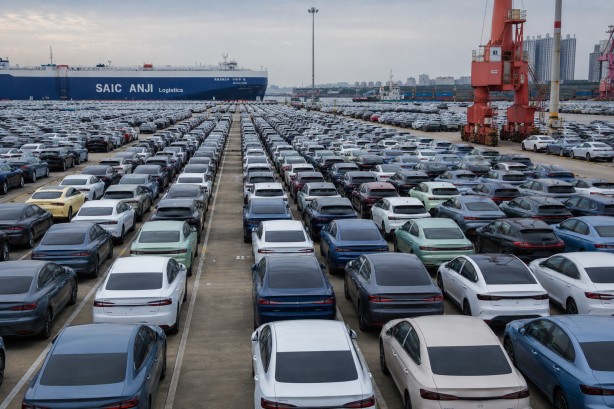
China has emerged as the world’s largest market for electric vehicles, a transformation that has propelled significant growth among major companies and reshaped the global automotive landscape. This rapid expansion, however, has sparked concerns over potential overproduction and stiffening competition within the industry.
In the past ten years, a combination of government incentives, local investment, and robust consumer interest has spurred hundreds of companies to venture into the electric vehicle sector. This approach has not only bolstered China’s most successful automakers but also reinforced the nation’s leadership in battery technology and clean transportation advancements.
Nevertheless, this swift growth has, in some instances, outpaced consumer demand. Many automakers have constructed facilities that produce more vehicles than the current market can absorb, leading to price wars and increased financial strain across the sector. As manufacturers aggressively cut prices to lure customers and expand their market presence, the competition has intensified, leaving smaller companies struggling to keep pace while larger firms continue to invest heavily in technology, production capabilities, and international expansion.
Amid these dynamics, Chinese officials have expressed concerns about potential overcapacity, cautioning that unchecked growth may pose economic risks. Industry experts suggest that the primary challenge now is to strike a balance between fostering innovation and maintaining healthy competition to ensure sustainable long-term growth.
Despite such challenges, China remains at the forefront of the electric vehicle revolution, with its manufacturers making significant inroads into international markets and shaping the future trajectory of global transportation.