
Emmanuel Macron is an ambitious politician, and the scale of his AI governance ambitions is commensurate with that ambition. Using France’s G7 presidency to push for internationally coordinated child safety standards in the AI era is not a modest goal. It requires convincing governments with very different interests, legal traditions and relationships with the technology industry to agree on enforceable standards and then actually enforce them. So is it realistic? The Delhi summit offered some grounds for qualified optimism.
The moral case Macron made in Delhi is difficult to resist. Research by Unicef and Interpol found that 1.2 million children in 11 countries had been victimised by AI-generated explicit deepfakes in a single year. One in 25 children in some nations. This is not a hypothetical harm — it is documented, ongoing and growing. Macron’s argument that governments with the power to act have a duty to do so is hard to counter without appearing indifferent to child suffering. On this specific issue, the political cost of opposing meaningful action is high.
The coalition Macron is building is broader than the American critique of European regulation might suggest. António Guterres backs inclusive global AI governance. Narendra Modi calls for child-safe, open-source technology. Sam Altman, from within the industry itself, has endorsed the idea of international AI oversight. These alignments are not identical to Macron’s position, but they create political space for the kind of coordination the G7 presidency might achieve.
The obstacles are real. The Trump administration’s opposition to AI regulation is not merely rhetorical — it reflects a genuine and politically powerful conviction that entrepreneurial freedom is a strategic advantage. Achieving meaningful international standards without American participation would be significant but incomplete. And the history of international AI governance initiatives is not encouraging — aspirational statements have repeatedly failed to produce enforceable outcomes.
What makes Macron’s gambit potentially different is the combination of domestic policy substance and multilateral platform. France is not just talking — it is legislating, on social media for under-15s and on AI governance more broadly. The G7 presidency gives Macron the forum. The evidence gives him the argument. The question is whether the political will of other G7 governments matches the urgency of the problem. Delhi suggested that on child safety specifically, it might.
Macron’s G7 Gambit: Can One Presidency Really Change How the World Governs AI?
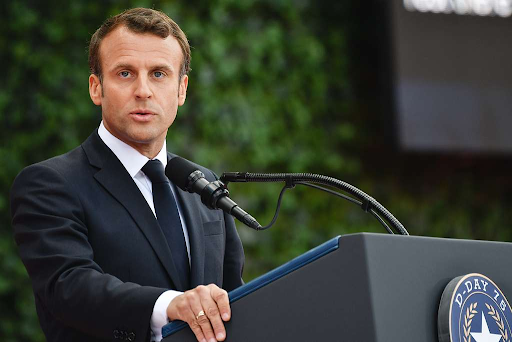
Picture Credit: nara.getarchive.net
29